
ACCA Manuals – Tips for Residential Load Calcs
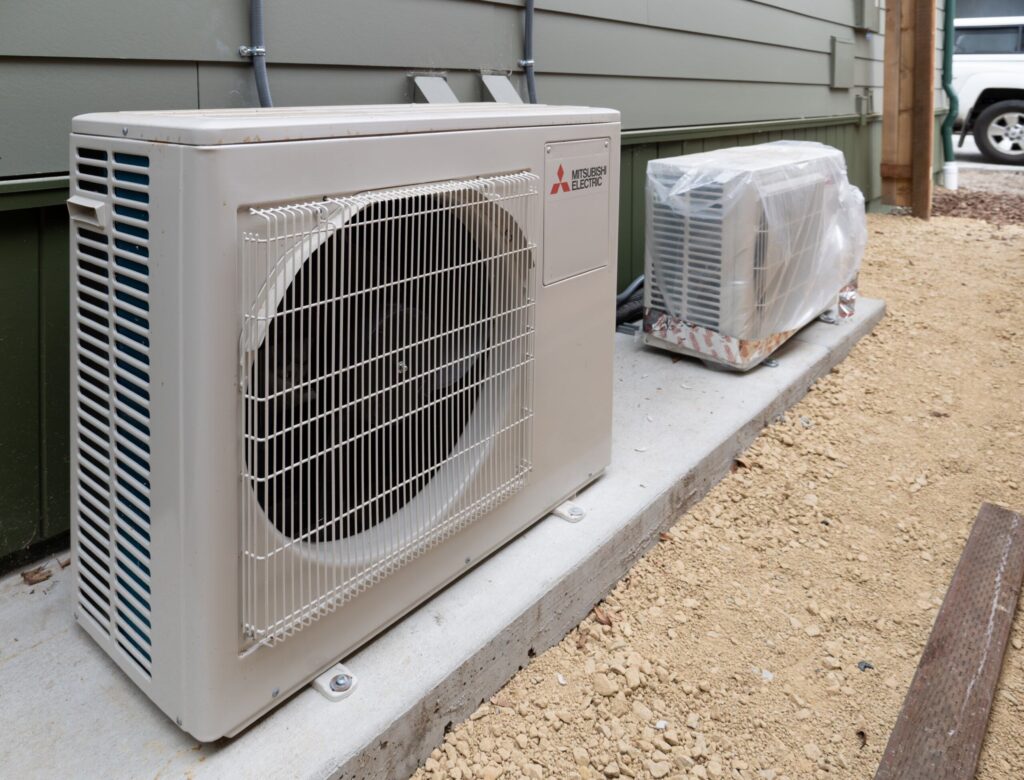
For residential projects, the California Energy Code has long required mechanical system design, including calculations for heating and cooling loads, appropriate equipment selection, and design of ducted distribution systems. Until recently, however, rules of thumb and rough estimates were common practice.
2025 Changes to CALGreen Nonresidential EV Charging
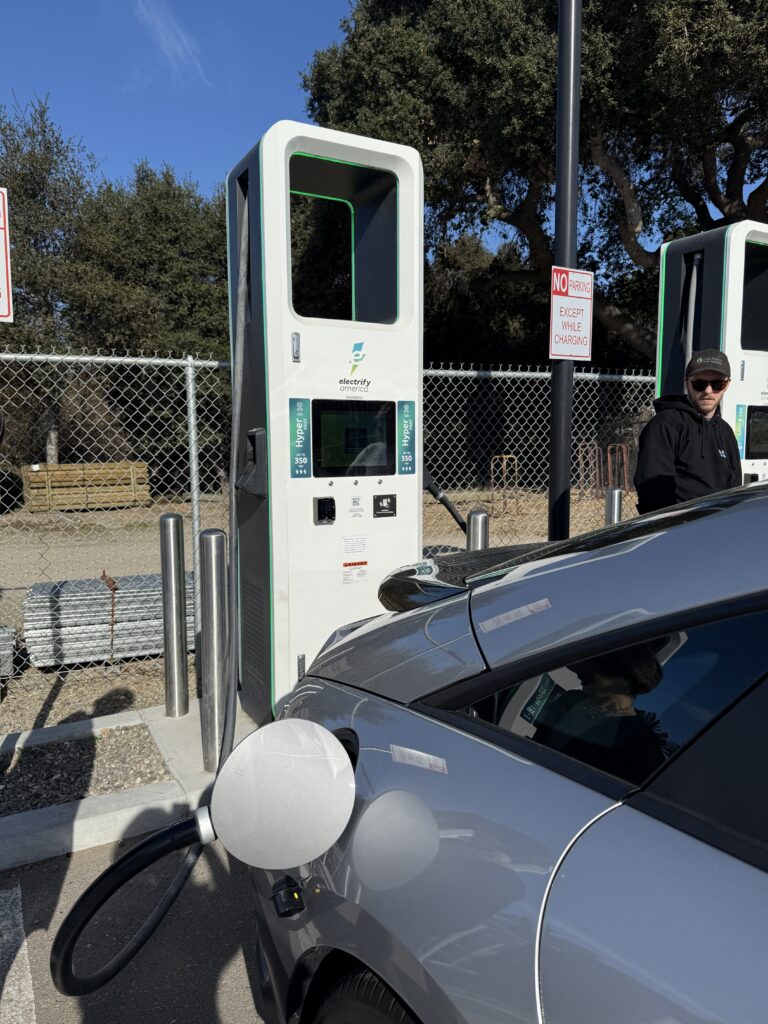
As we adjust to the 2025 code cycle, the 2025 CALGreen Code introduces important changes and clarifications to EV charging requirements. In January, we sorted through the multifamily updates. Now, we’ll take a closer look at nonresidential EV charging, including expanded requirements for new construction, parking lot alterations, and readiness for future EV truck charging.
2025 Energy Code Adds IAQ Access Requirements for Multifamily Residences
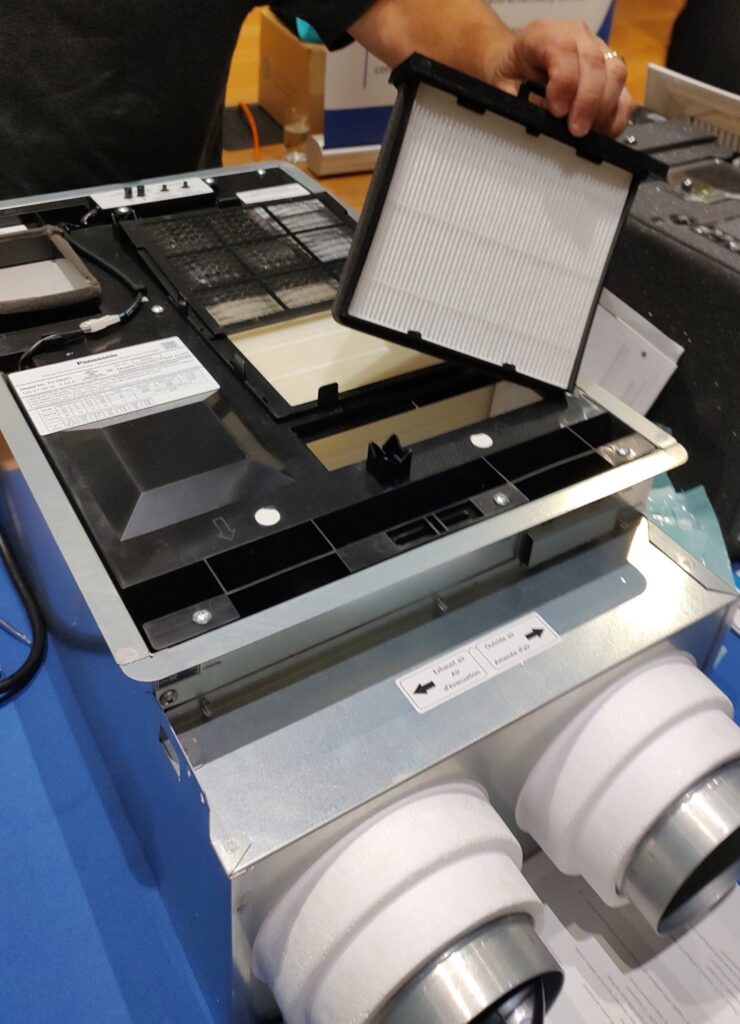
Among the changes to the energy code requirements for multifamily housing are a handful of measures that support improved indoor air quality (IAQ) by addressing gaps in access to ventilation equipment.
Ensuring Access to Heat Pump Water Heater Filters
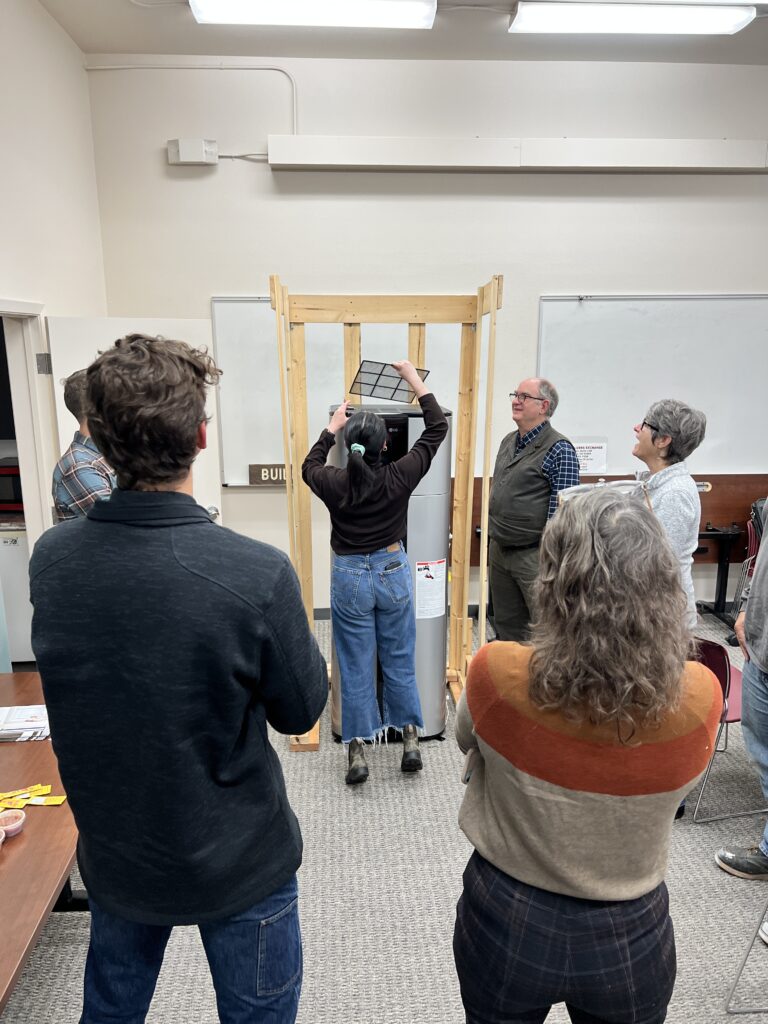
Heat Pump Water Heaters (HPWH) continue to be a hot topic, and one installation issue that keeps showing up in the field is blocked access to the heat pump air filter.
Heads Up on Organizational and Language Changes in the 2025 Energy Code
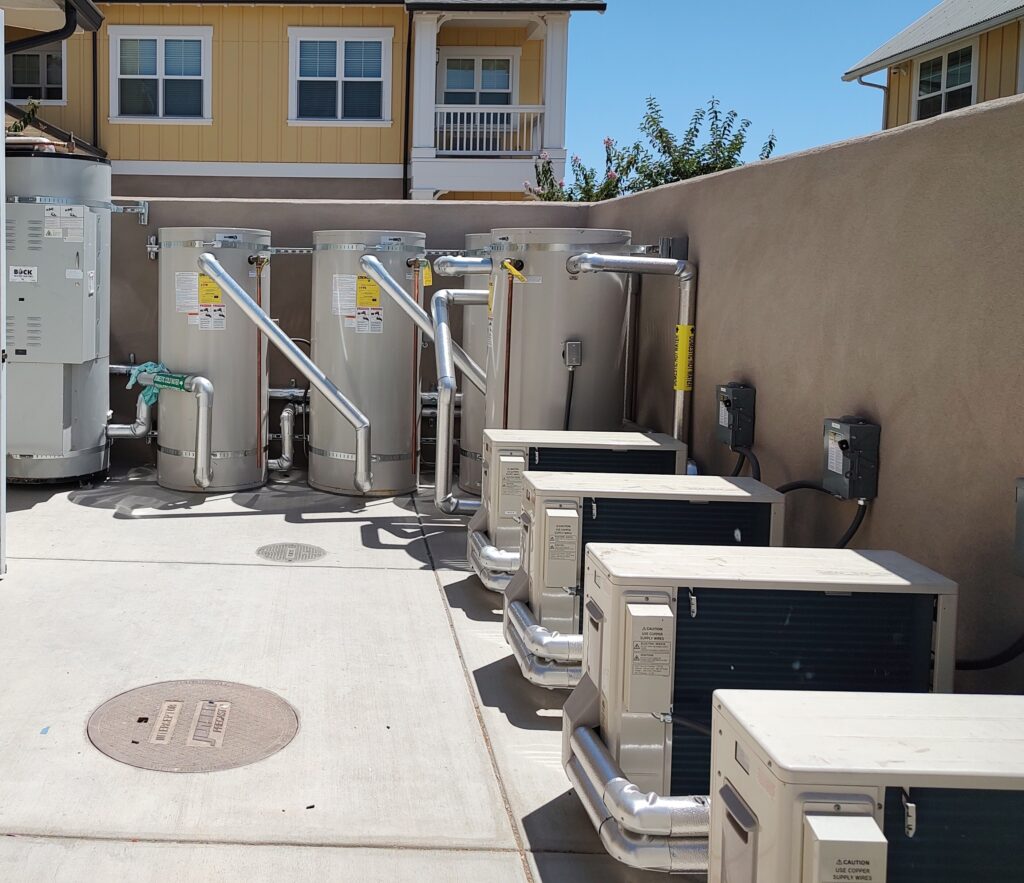
The 2025 California Energy Code is here! While many of the updates follow familiar patterns—like more stringent building envelope requirements, expanded solar and battery provisions, and continued push toward all-electric buildings—this cycle also introduces several key organizational and language changes.
Sorting Through Requirements for EV Charging in Multifamily Construction
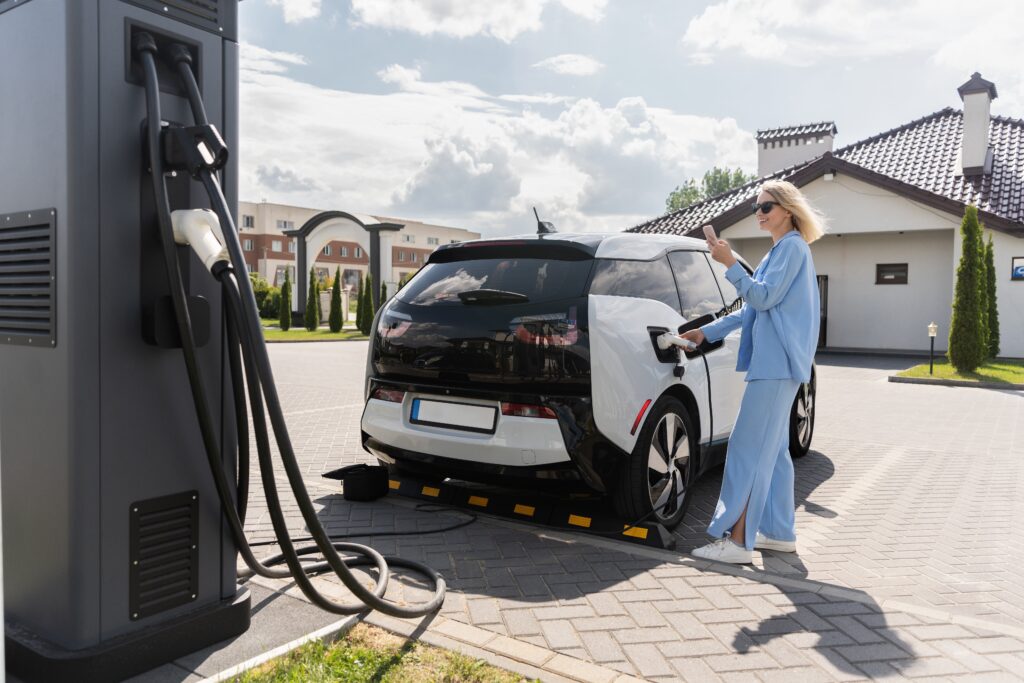
As California works to expand access to electric vehicles for more residents, the 2025 California Green Building Code (CALGreen) increases requirements for multi-family EV charging infrastructure under Section 4.106.4, Electric Vehicle (EV) Charging for New Construction.
2025 Updates: Clarifying ventilation for HPWH’s
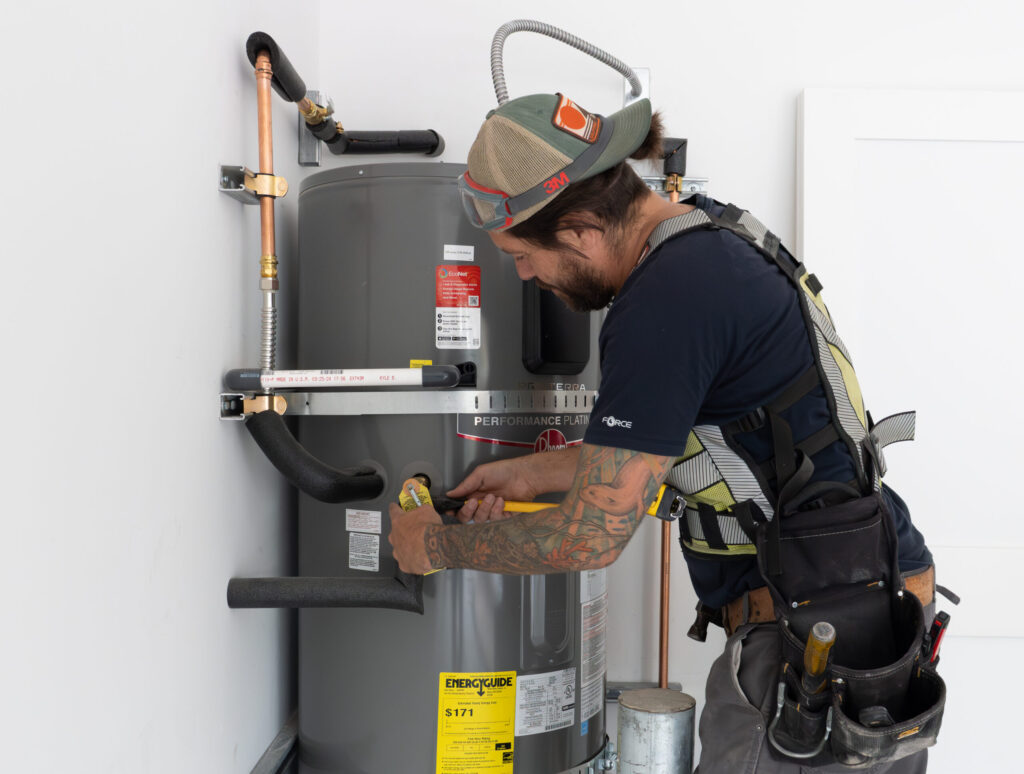
Installation requirements for heat pump water heaters (HPWHs) remain a hot topic, and the 2025 code provides important clarifications and updates in this area.
2025 Updates: Hot Water in Mixed Fuel Projects
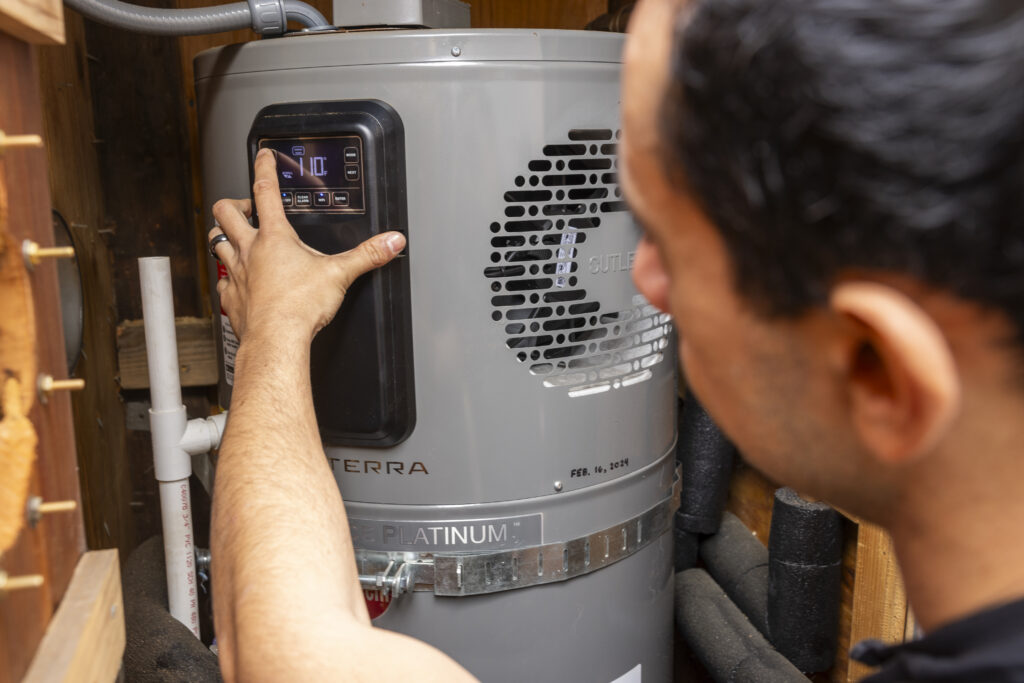
The 2025 Energy Code will continue to allow both gas and electric water heating systems; however, it now includes updated requirements designed to support a future transition to heat pump water heaters (HPWH’s).
Point of Use Plumbing Gets a Closer Look

The 2025 code, effective January 1, 2026, expands electric hot water options for homes 500 square foot or smaller. It prescriptively allows not only instantaneous electric systems but also electric tank systems, as long as point-of-use distribution is used.
AB 130: Pushing “Pause” on the Residential Building Code Cycle
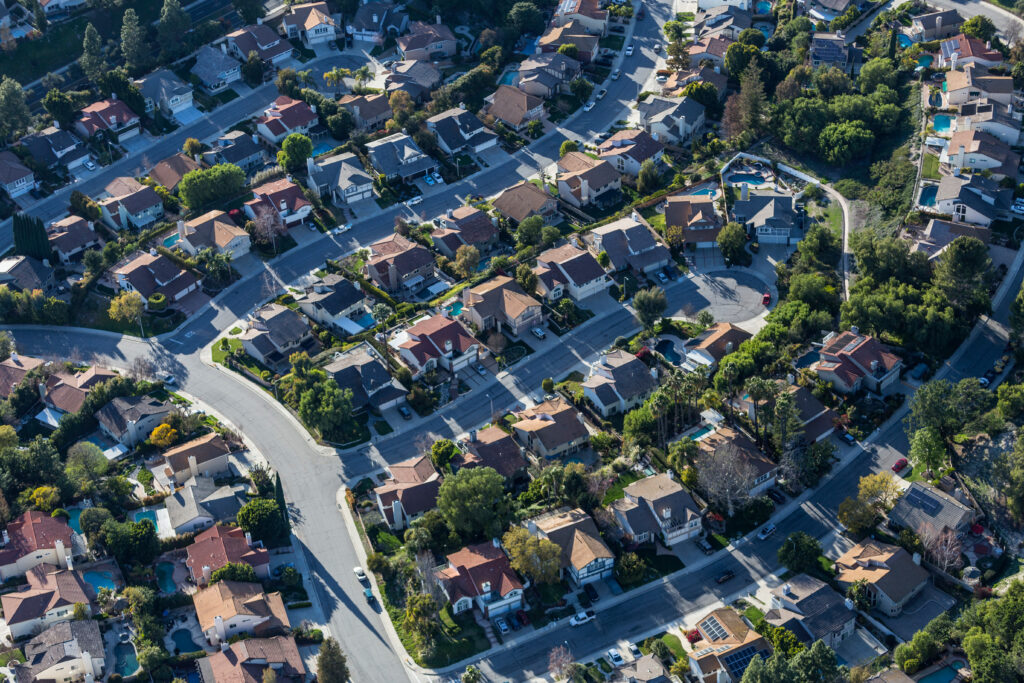
Proposed State legislation to pause updates to the residential building code has drawn mixed reactions. Assembly Bill (AB) 306 worked its way through several amendments in the legislature and was finally adopted and signed into law on June 30 as part of a broader housing bill, AB 130. Learn what it means for residential buildings in our latest blog.