
Among the changes to the energy code requirements for multifamily housing are a handful of measures that support improved indoor air quality (IAQ) by addressing gaps in access to ventilation equipment.
In prior code-compliant installations, field assessment revealed that supply, exhaust and balanced systems were not being properly maintained, with clogged filters and low volume of air changes contributing to poor indoor air quality. Educating the occupants and building managers is a key component of equipment maintenance, but in many cases just access to the equipment became a primary barrier.
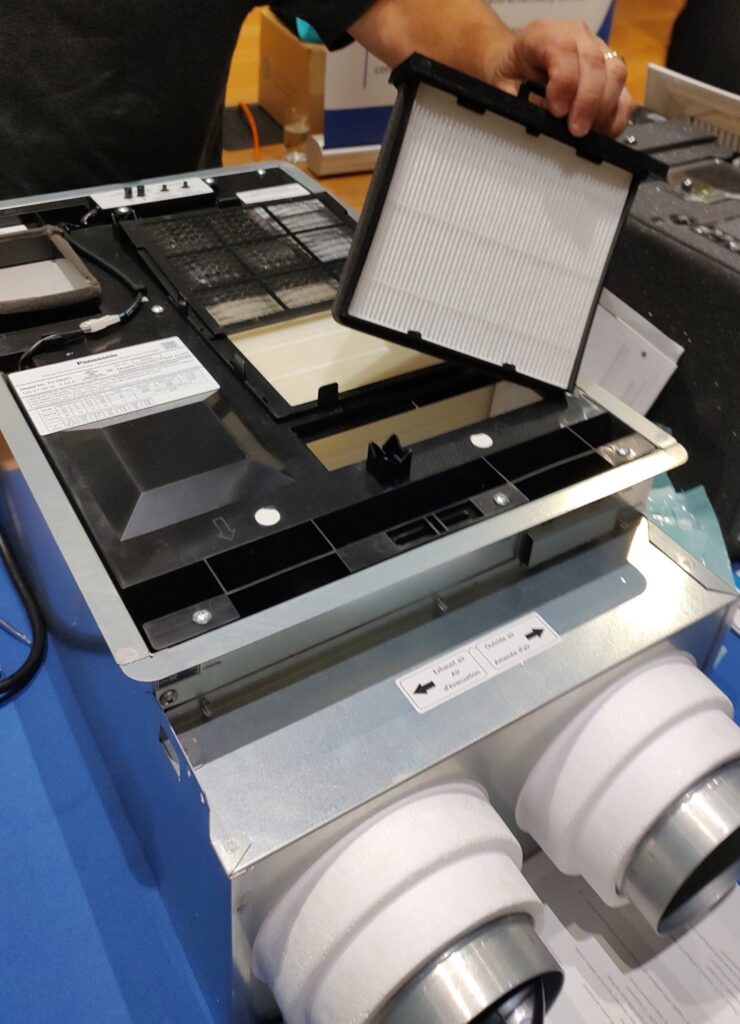
Access to Air Filters
Section 160.2(b)2A of the 2025 energy code spells out that air filters must be accessible for service “from within occupiable spaces, basements, garages, balconies, mechanical closets or accessible rooftops.” This requirement also applies to accessing the core of heat recovery and energy recovery ventilation systems (HRV/ERV).
The code goes on to further clarify that if the filter is located behind an access panel or access door, that panel or door must be no more than 10 feet above the floor and must have a walking path to get there. Think: an easy place to put a step ladder.
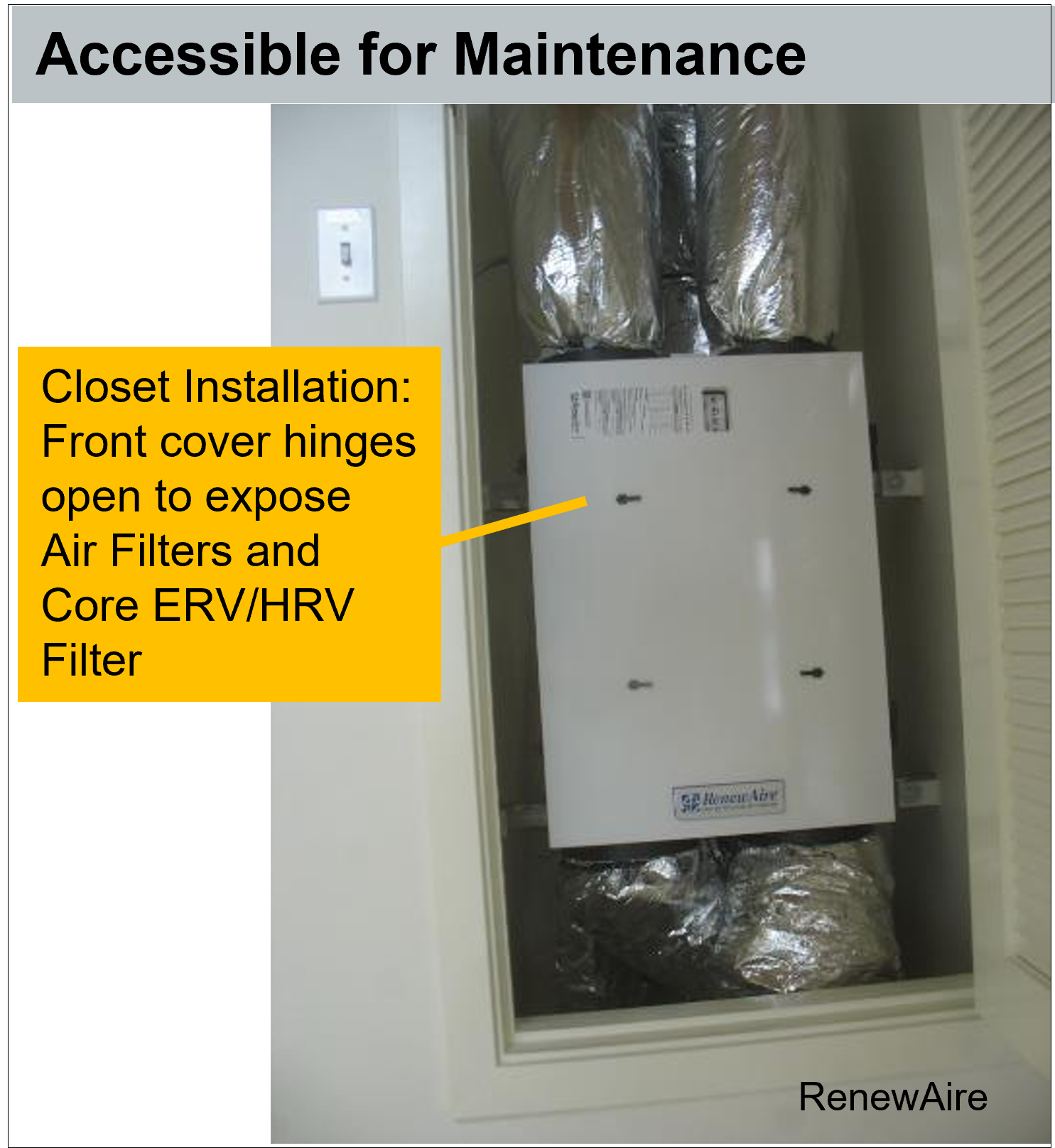
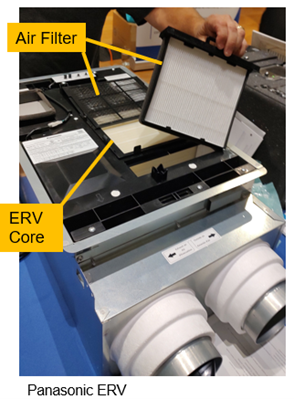
In the 2025 code, exhaust-only systems are no longer allowed in new construction for multifamily housing. Therefore, the maintenance access requirements are called out for all the allowed ventilation systems: supply-only systems and balanced ventilation systems with or without HRV/ERV.
Fault Indicator Display (FID) Requirements
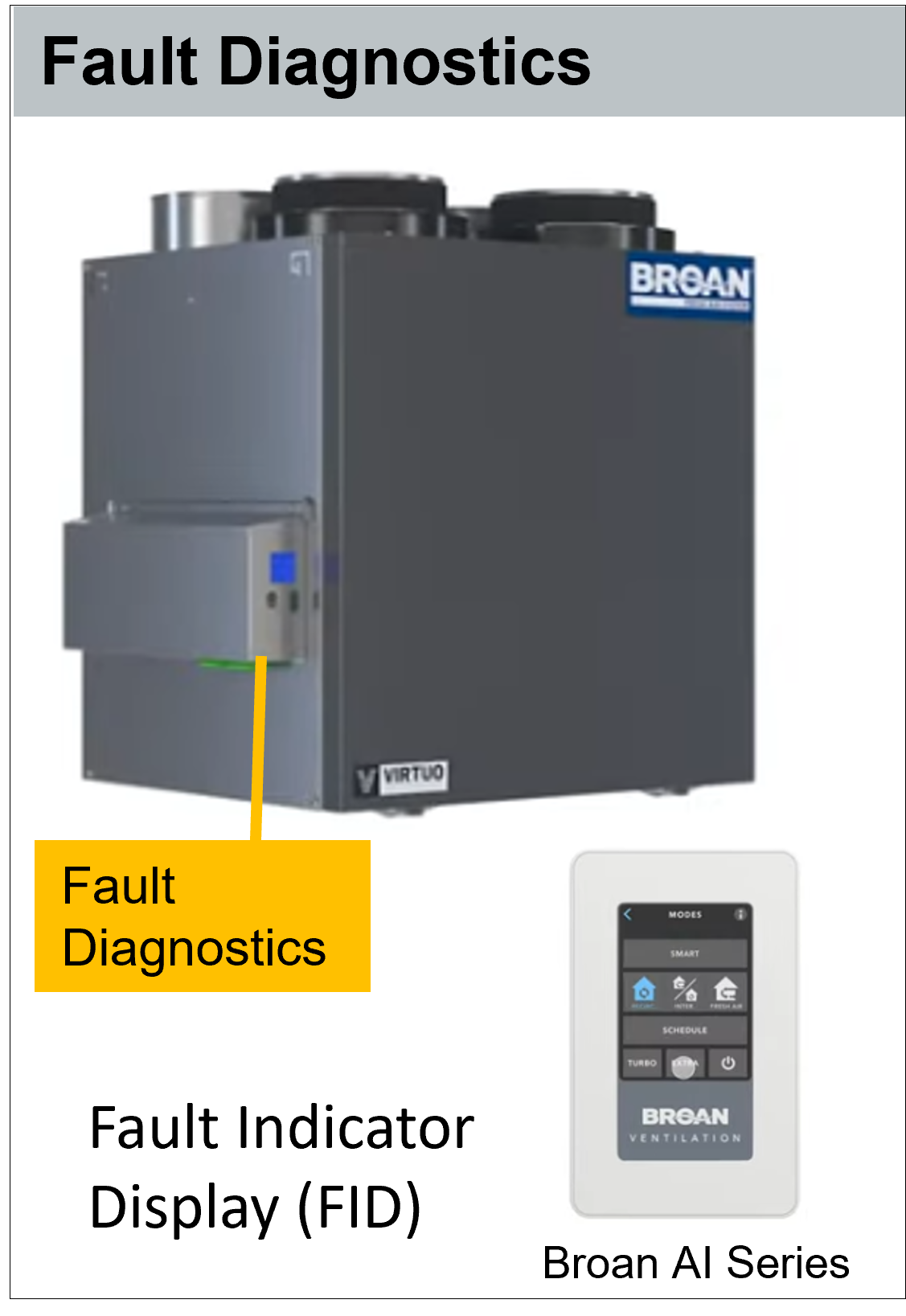
In addition, the HRV/ERV systems have a new prescriptive requirement for a Fault Indicator Display (FID). The FID notifies occupants when the system is not working properly, either with a visual display, audible alarm and/or electronic notification. The FID must be verified by an ECC rater.
Interestingly, the code language that was initially proposed would have required FIDs for supply and balanced ventilation systems as well as HRV/ERV systems, as all ventilation would benefit from this type of alert; however, further research indicated that those other systems are not broadly manufactured with FIDs, so the requirement is currently limited to HRVs and ERVs only.
Broader Implications
Multifamily housing continues to grow in the 3C-REN region, so addressing energy savings and indoor air quality is important and timely. More broadly, our industry needs to incorporate best practices for operations and maintenance into the building design itself so that occupants and owners have easy access to their mechanical systems and user-friendly guidance about what maintenance needs done to protect their investments and their health.
For more information about the 2025 code update and in-person trainings, please check out our events calendar at 3c-ren.org/calendar-of-events-and-trainings
Our on-demand webinars are always available at 3c-ren.org/on-demand-trainings
Don’t wait to reach out to the Code Coach Hotline for more information or to have your Energy Code or CALGreen questions answered! 3c-ren.org/energy-code-coach