
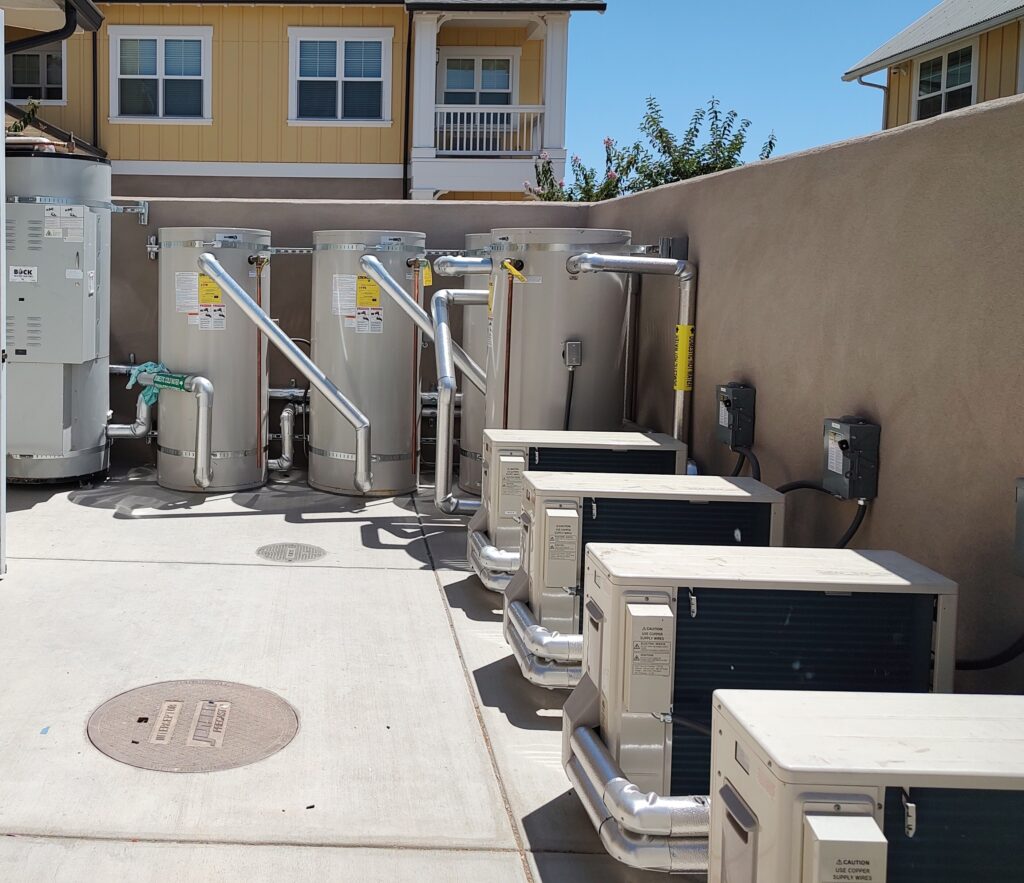
The 2025 California Energy Code is here! Many of the changes are typical code updates, such as increased stringency for building envelopes, expanded solar and battery requirements, and emphasis on all-electric buildings. Additionally, there are some key organizational and language changes that provide clarification and add consistency with other parts of the Building Code, so let’s highlight six of those changes right off the bat.
- HERS is now ECC
The Home Energy Rating System (HERS) is getting a new name. It is now called the Energy Code Compliance program, or ECC, with HERS Raters now called ECC Raters. Aside from the name change, there are also changes to reporting requirements and the scope of work, including additional testing and verifications, found under Article 1, Section 10-103.3.
- New “LSC” Metric for Building Performance
Under the 2022 Energy Code, the metrics used to measure the energy performance of a building through energy modeling were Time-Dependent Value (TDV) Energy and Source Energy. Under the new 2025 Code, the TDV metric is replaced with Long-Term System Cost (LSC). Like TDV, there is an Efficiency metric that includes the sum of LSC energy for space conditioning, water heating and mechanical ventilation, and a Total LSC metric that includes the Efficiency LSC and LSC energy from photovoltaic, energy storage systems, lighting, demand flexibility, and other plug loads. See the example below of what those metrics look like on a compliant Title 24 report. As a reminder, all three metrics need to pass for the project to comply.
| C1. COMPLIANCE SUMMARY | |||
| COMPLIES* | |||
| Long-term System Cost (LSC)1 | Source Energy Use | ||
| Efficiency2 ($/ft2-yr) | Total3 ($/ft2-yr) | Total3 (kBtu/ft2-yr) | |
| Standard Design | 30.25 | 19 | 13.44 |
| Proposed Design | 27.75 | 18.24 | 13.33 |
| Compliance Margins | 2.5 | 0.76 | 0.11 |
| Pass | Pass | Pass | |
| 1 Long-term System Cost (LSC) is a 30-year present value cost to California's energy system, LSC is not a predicted utility bill. 2 Efficiency measures include energy efficiency improvements such as better building envelope and more efficient mechanical equipment 3 Compliance Totals include efficiency, photovoltaics and batteries * New Construction: Building complies when Proposed Design is equal to or less than Standard Design in all compliance categories and unmet load hour limits are not exceeded. Complete Addition Scope and Existing, Addition and Alteration Scope: Building complies when efficiency compliance margin is greater than or equal to zero and unmet load hour limits are not exceeded. |
|||
- Laboratory Occupancy Now Included in the Energy Code
A new occupancy, L for Laboratory, was added as an Occupancy Group in the 2025 Energy Code. The expanded and clarified laboratory definitions can be found under Nonresidential Function Areas under Subchapter 1, Section 100.1 – Definitions and Rules of Construction. Mandatory measures for the new occupancy are found in Subchapter 2, Section 110.0-110.12.
- New Code Section for Heat Pump Water Heater Mandatory Measures
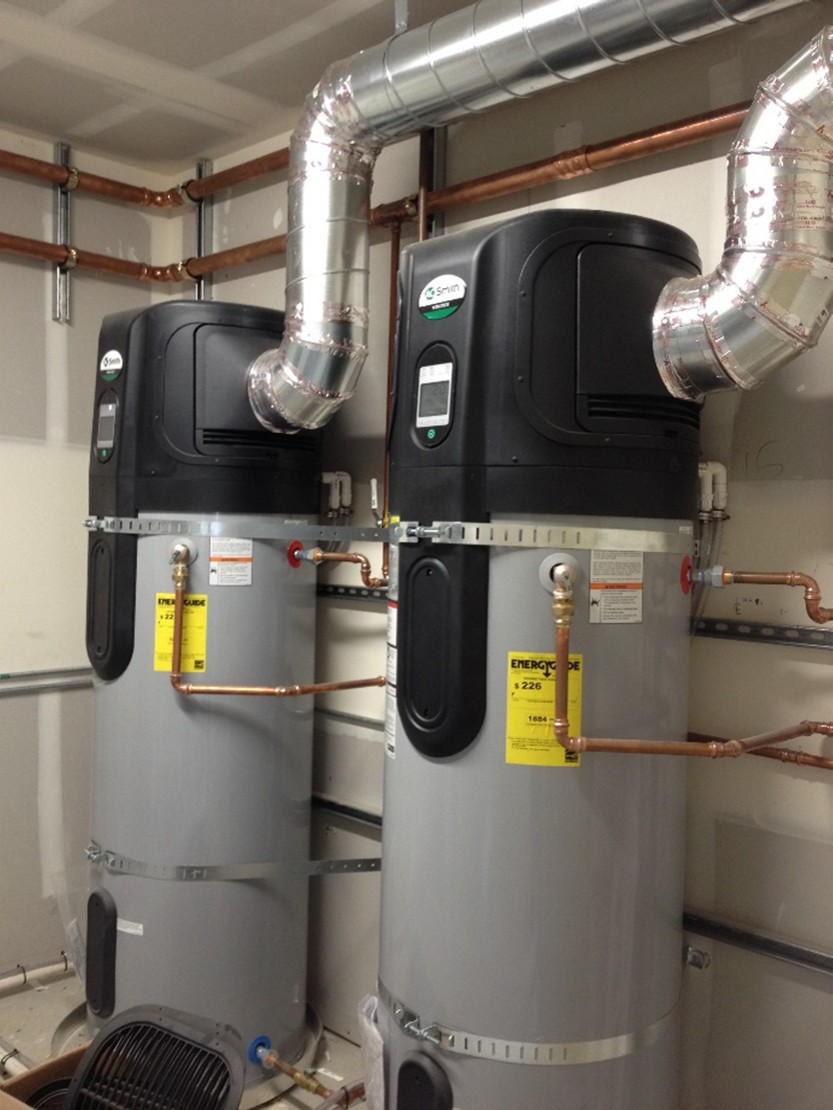
California Energy Commission (CEC) research revealed that Heat Pump Water Heaters (HPWHs) have often not met their efficiency and performance expectations due to poor installation. But heads up: HPWH mandatory measures used to be tucked within each occupancy (non-res, res, multi-family) but are now included in the all-occupancy measures under Section 110.3(c).
- Commercial Kitchens Now Have Electric-Ready Requirements
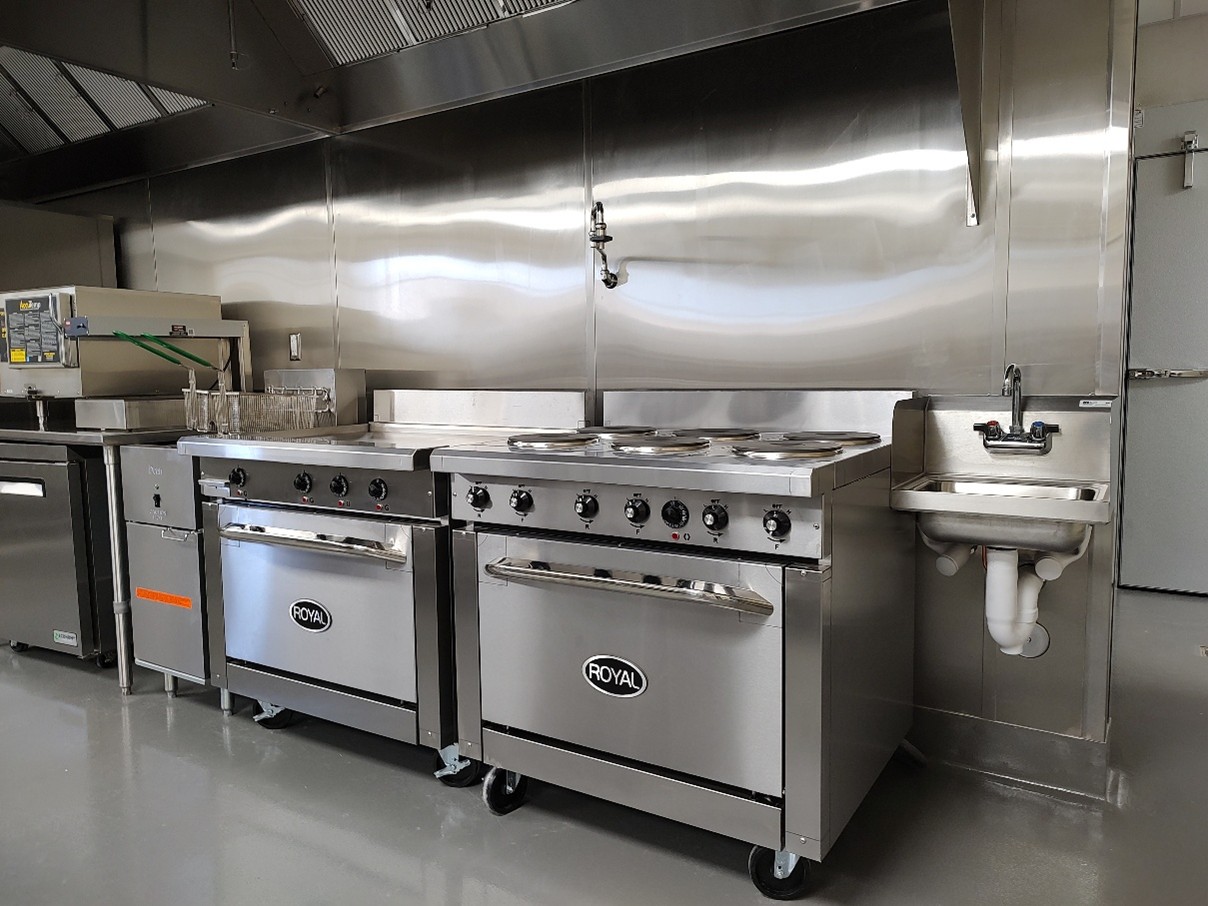
Commercial Kitchens have been officially defined under Section 100.1 and under the 2025 Code Section 120.6(k) must be “electric ready”, which includes dedicated branch circuit wiring and electrical service panel requirements. See the code section for full details.
- New Code Section on Vestibules for Nonresidential Projects
Vestibules are now required in nonresidential projects. However, there is a list of exceptions. For example, vestibules are not required in public entrances in buildings located in Climate Zones 2 through 13 when a building is less than four stories above grade and has less than 10,000 square feet of gross conditioned floor area. Given that this covers the 3C-REN Climate Zones, most central coast projects will not be required to have vestibules. See Section 120.7(e) for the full code language and list of exceptions.
Keep an eye out for future blogs and trainings where 3C-REN will dive deeper into these topics and other important 2025 Energy Code changes.
For more information about the 2025 code update and in-person trainings, please check out our events calendar at 3c-ren.org/calendar-of-events-and-trainings
Our on-demand webinars are always available at 3c-ren.org/on-demand-trainings
Don’t wait to reach out to the Code Coach Hotline for more information or to have your Energy Code or CALGreen questions answered! 3c-ren.org/energy-code-coach